
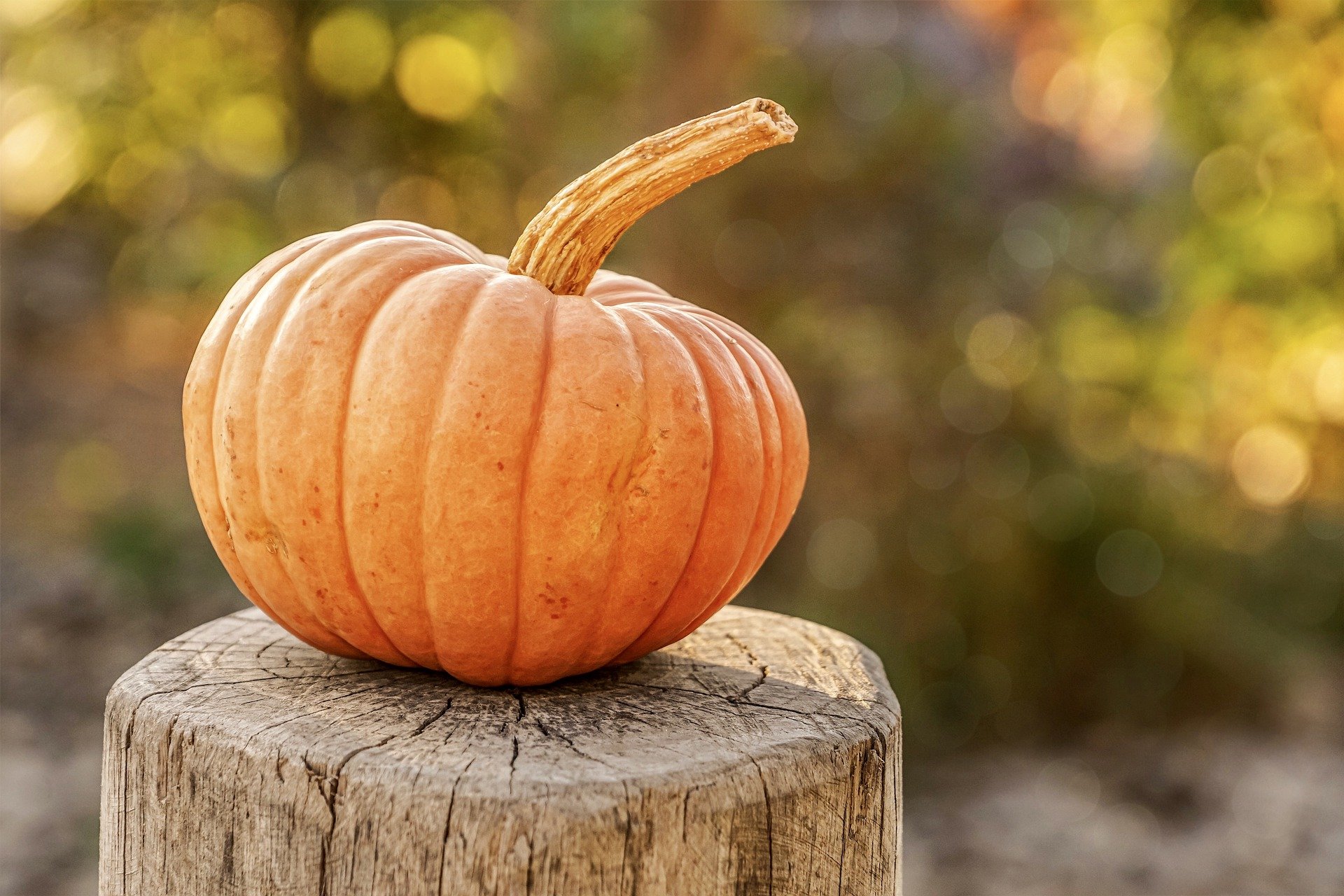
Did you know that pumpkin is technically a fruit? Although it is scientifically a fruit, its nutritional profile is more similar to vegetables than fruits. Pumpkin is a cultivar of winter squash and is native to North America (northeastern Mexico and the southern United States).
Pumpkin is very nutritious, as it is brimming with vitamins, minerals, and antioxidants. It has orange flesh which comes from pigments called carotenoids which have potent antioxidant properties.
Pumpkin is also quite versatile and can be added to many dishes. So if you’ve been overlooking this superfood, it’s time to add pumpkin to your diet.
Reasons to Eat Pumpkin
1. Highly Nutritious
Pumpkin is packed with vitamins, minerals, and antioxidants. It is especially high in beta-carotene, a carotenoid that your body converts to vitamin A. A one-half cup serving of cooked pumpkin provides over 100% of the daily recommended intake (DRI) of vitamin A. Pumpkin is also a good source of vitamin C, potassium, and fiber.
2. Packed with Disease-Fighting Antioxidants
Pumpkin’s bevy of antioxidants include alpha-carotene, beta-carotene, and beta-cryptoxanthin. These protect your cells against damage by neutralizing free radicals. This oxidative stress has been linked to a weakened immune system and many harmful diseases.
3. Boosts Immunity
In addition to beta-carotene, pumpkin is also high in vitamin C which increases white blood cell production and heals wounds faster. Pumpkin also contains vitamin E, iron and folate which have all been found to strengthen the immune system.
4. Promotes Weight Loss
Pumpkin is a nutrient-dense food, meaning it is packed with nutrients while being low in calories. One cup of cooked pumpkin contains only 49 calories and is 94% water. Pumpkin is also a good source of fiber, which helps suppress appetite.
5. Lowers Cancer Risk
The carotenoids in pumpkin function as antioxidants and fight the free radicals that are produced by cancer cells. In studies, these antioxidants have been shown to lower the risks of throat, pancreas, breast, and other cancers.
6. Promotes Heart Health
Pumpkin contains a variety of nutrients, like potassium, fiber, and vitamin C, which can improve your heart health. Studies have shown that people with higher potassium intakes have lower blood pressure and a reduced risk of stroke.
The antioxidants in pumpkin also help prevent LDL (bad) cholesterol from oxidizing. Oxidized LDL cholesterol particles can clump along the walls of blood vessels which can restrict your blood vessels and increase your risk of heart disease.
7. Improves Eye Health
Many nutrients in pumpkin have been linked to strong eyesight as your body ages. Pumpkin contains beta-carotene, which is the precursor to vitamin A. Vitamin A deficiency is a common cause of blindness.
Pumpkin also is a good source of both lutein and zeaxanthin, two bioactive compounds linked to lower risks of age-related macular degeneration and cataracts. Vitamins C and E in pumpkin also help prevent free radicals from damaging your eye cells.
8. Protects The Skin
The carotenoids in pumpkin act as a natural sunblock. Lutein, zeaxanthin, and vitamin E have also been shown in studies to boost your skin’s defenses against UV rays.
Pumpkin also contains vitamin C, which is essential for healthy skin. Your body uses vitamin C to synthesize collagen, a protein that keeps your skin strong and healthy.
Ways to Enjoy Pumpkin
- Roasted: Toss pumpkin chunks with extra virgin olive oil and roast at 400 degrees for 20-25 minutes for a side dish.
- Sauces: Stir pureed pumpkin into soups or sauces to thicken them.
- Smoothies: Mix pureed pumpkin into a smoothie.
- Oatmeal: Stir pureed pumpkin into your morning oatmeal with nutmeg and cinnamon.
- Baked: Make pies, muffins, or any baked goods using pureed pumpkin.
- Yogurt: Add pureed pumpkin to plain yogurt with some pumpkin spice and a dab of honey.
 The Mediterranean Diet Unplugged