
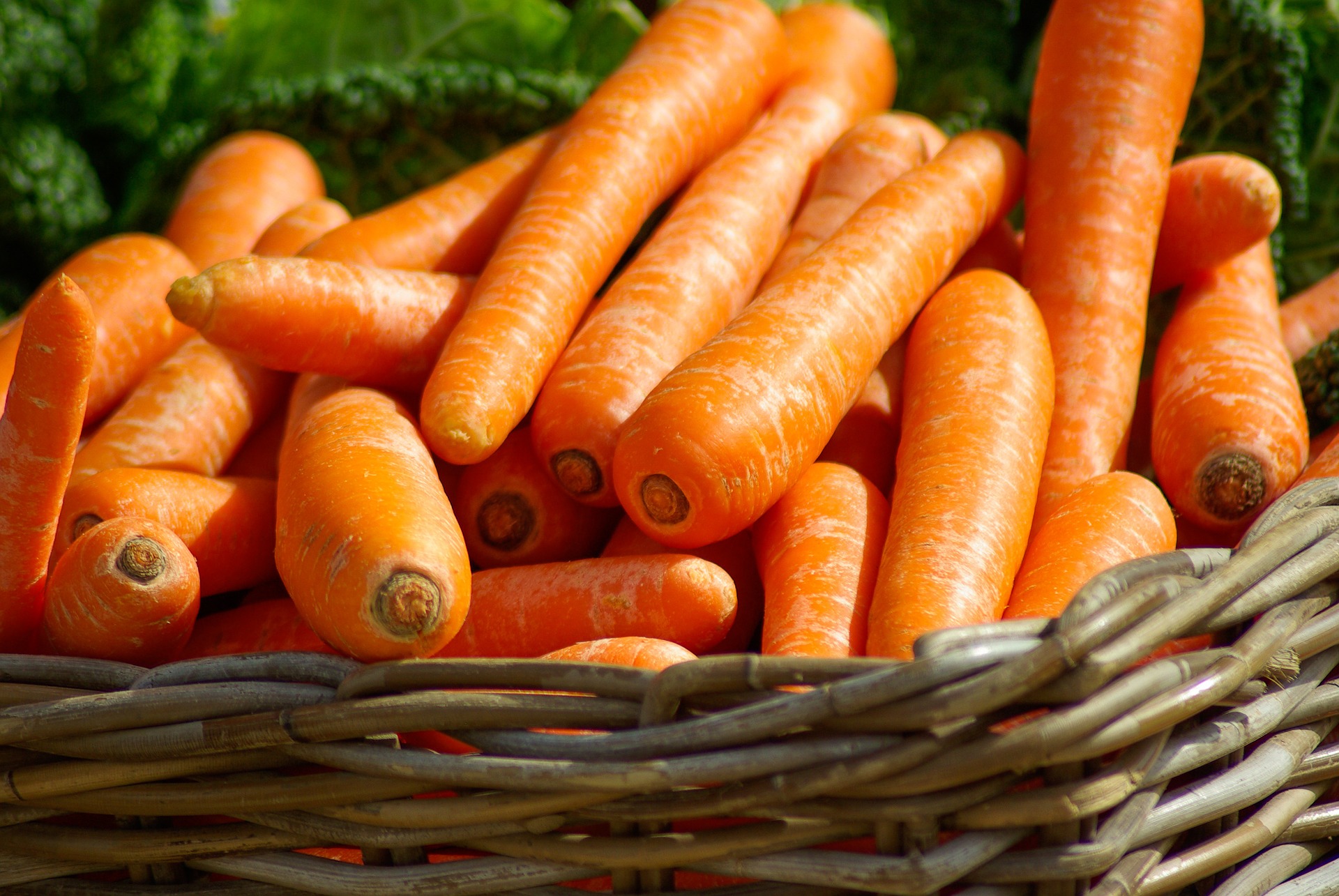
Carrots are a root vegetable and are found in many colors including yellow, white, orange, red, and purple. Orange carrots, the most widely available, get their color from carotenoids, antioxidants that your body converts to vitamin A. Carrots are also a good source of fiber, vitamin K1, potassium, and antioxidants.
Carrots are one of the easiest vegetables to get picky eaters to eat at dinnertime, as they are sweet, tasty, and have great texture. This vegetable has a nice crunch when raw, and a tender, creamy bite when cooked.
Reasons to Eat Carrots
1. Very Nutritious
Carrots are packed with vitamins, minerals, and antioxidants. They are especially high in beta-carotene, a carotenoid that your body converts to vitamin A. Carrots also contain potassium, vitamin C, vitamin K1, and fiber.
2. Packed with Disease-Fighting Antioxidants
The antioxidants alpha and beta carotene give carrots their bright orange color. These protect your cells against damage by neutralizing free radicals. This oxidative stress has been linked to a weakened immune system and many harmful diseases.
3. Boost Immunity
The vitamin C in carrots is vital for immune support and healing. The veggie’s vitamin A supports the immune system too, and plays an important role in forming and protecting mucous membranes, which act as barriers to keep germs out of the body.
4. Promote Weight Loss
Carrots contain both soluble and insoluble fiber. Fiber takes the longest to digest and therefore promotes a feeling of fullness and prevents you from eating other fattening foods.
5. Lower Cancer Risk
Antioxidants found in carrots have been tied to a reduced risk of several cancers, including lung, colorectal, prostate, and leukemia. A 2008 scientific study found that people with a high intake of carotenoids had a 21% lower risk of lung cancer.
6. Promote Heart Health
Carrots are packed with potassium. Potassium helps relax the tension in your blood vessels, which enhances blood flow circulation and lowers your elevated blood pressure. High blood pressure is linked to conditions like stroke and heart attacks.
In addition to lowering your blood pressure, carrots boost heart health by removing excess LDL cholesterol from the walls of blood vessels. This is carried out by the soluble fiber in carrots and also a type of calcium that is easily absorbed by the body.
7. Improve Vision
Carrots are rich in lutein and zeaxanthin which help maintain good eyesight and night vision. The high amount of vitamin A also helps boost a healthy eyesight.
8. Protect the Skin
The carotenoids in carrots act as a natural sunblock. Lutein and zeaxanthin have also been shown in studies to boost your skin’s defenses against UV rays.
Carrots also contain vitamin C, which is essential for healthy skin. Your body uses vitamin C to synthesize collagen, a protein that keeps your skin strong and healthy.
9. Fight Inflammation
Chronic inflammation is the root of many serious diseases including heart disease, cancer, type 2 diabetes, Alzheimer’s disease, and obesity. The carotenoids in carrots help fight inflammation, along with an antioxidant called luteolin. Promising research also shows luteolin’s anti-inflammatory properties may help fight lung, stomach, prostate, and breast cancer.
10. Support Brain Health
Luteolin also has another amazing benefit: keeping your brain young as you are. Carrots not only can help boost your memory, but can also help prevent cognitive decline. With all these health benefits, carrots may just be the new fountain of youth!
Ways to Enjoy Carrots
- Salads: Add chopped or shredded carrots to salads or slaws.
- Crudités: Use whole or cut, raw carrots to scoop up dip, hummus, tahini, or olive tapenade.
- Smoothies: Add raw, cut carrots to fresh pressed juices and smoothies for a naturally sweet, mild flavor.
- Roasted: Carrots are amazing oven-roasted, brushed with a little extra virgin olive oil.
- Soups and stews: Cut them and add them to your favorite soups and stews.
- Baked desserts: Add shredded carrots to baked goods such as pies and muffins.
 The Mediterranean Diet Unplugged