
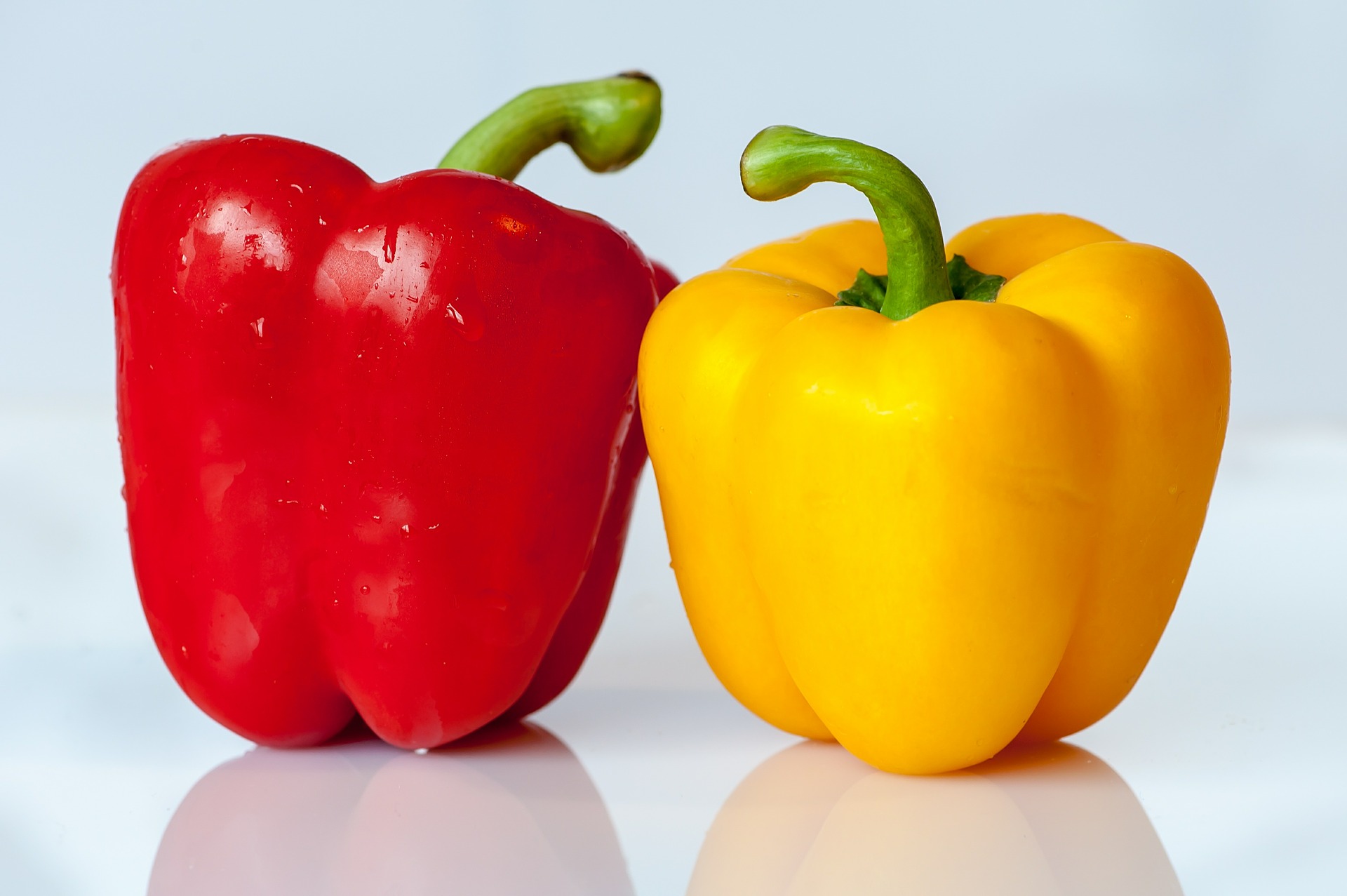
The bell pepper (Capsicum annuum) is a fruit that belongs to the nightshade family. Botanically it is a fruit, but nutritionally considered a vegetable. Also called a sweet pepper or capsicum, it is native to Central and South America and can be eaten either raw or cooked.
Bell peppers come in various colors, such as red, yellow, orange, and green (which are unripe). Green, unripe peppers have a slightly bitter taste and are not as sweet as fully ripe ones.
Apart from their mild, sweet flavor and wonderful taste, bell peppers are a good source of vitamins, minerals, and antioxidants. One cup of green bell pepper contains 30 calories, 2.5 grams of fiber, and 120 mg of vitamin C.
There are nutritional differences between colors of bell peppers. Red bell peppers are the most nutritious. One cup of red bell pepper contains 39 calories, 3.1 grams of fiber, and 190 mg of vitamin C.
Reasons to Eat Bell Peppers
1. Very Nutritious
Bell peppers are packed with vitamins, minerals, and antioxidants. They are high in beta-carotene, which your body converts to vitamin A. They are also high in vitamin C and a decent source of fiber.
2. Help Prevent Anemia
Anemia is a common condition characterized by a reduced ability of your blood to carry oxygen, and iron deficiency is one of the most common causes. Dietary iron absorption increases significantly when you consume fruits or vegetables high in vitamin C. Therefore eating bell peppers alongside iron-rich foods, like meat or spinach, increases your body’s iron stores and cuts your risk of anemia.
3. Boost Immunity
The vitamin C in bell peppers is vital for immune support and healing. Bell peppers also contain vitamin A, which is essential in fighting serious diseases, like cancer, as well as more short-term illnesses, such as the common cold.
4. Improve Heart Health
Bell peppers are rich in vitamin B6 and folate, which help to lower homocysteine levels (high homocysteine levels lead to a higher risk of heart disease). Red bell peppers are rich in lycopene (a carotenoid), which makes them excellent for a healthy heart.
5. Help Prevent Cancer
The carotenoids in bell peppers help reduce the damage that oxidation causes on your cells. Red bell peppers in particular contain very high quantities of beta-carotene, alpha-carotene, lutein, and zeaxanthin. Eating foods high in carotenoids, especially beta-carotene, have been shown to reduce the risk of cancer.
6. Support Skin Health
The vitamin C in bell peppers is also good for your skin. This, along with the carotenoids improves skin health and promotes collagen production. Collagen is a protein that keeps your skin strong and healthy.
7. Boost Eye Health
Lutein and zeaxanthin, carotenoids found in relatively large amounts in bell peppers, may improve eye health when consumed in adequate amounts. They protect your retina from oxidative damage. Several scientific studies indicate these carotenoids may cut the risk of both macular degeneration and cataracts.
8. Balance Mood
Due to their vitamin content, bell peppers are considered one of the best brain foods. Vitamin B6 in bell peppers increases the level of serotonin and norepinephrine, sometimes called “the happy hormones.” High levels of these hormones are associated with improved mood and more concentration.
A vitamin B6 deficiency has been shown to contribute to cognitive impairment.
Ways to Enjoy Bell Peppers
- Salads: Make salads more vibrant by adding sliced bell peppers in a variety of colors.
- Crudités: Slice bell peppers into strips and serve with hummus or your favorite dip for a healthy snack.
- Smoothies: Add cut bell peppers to your smoothie mix and purée for a nutritious smoothie.
- Sautéed: Slice bell peppers and sauté them with garlic, onions, and seasonings of your choice in extra virgin olive oil for an easy side dish.
- Stews and Soups: Add chopped or sliced bell peppers to soups or stews for a pop of color.
- Eggs: Add chopped bell peppers to your omelet, quiche, or frittata for a colorful breakfast.
 The Mediterranean Diet Unplugged