
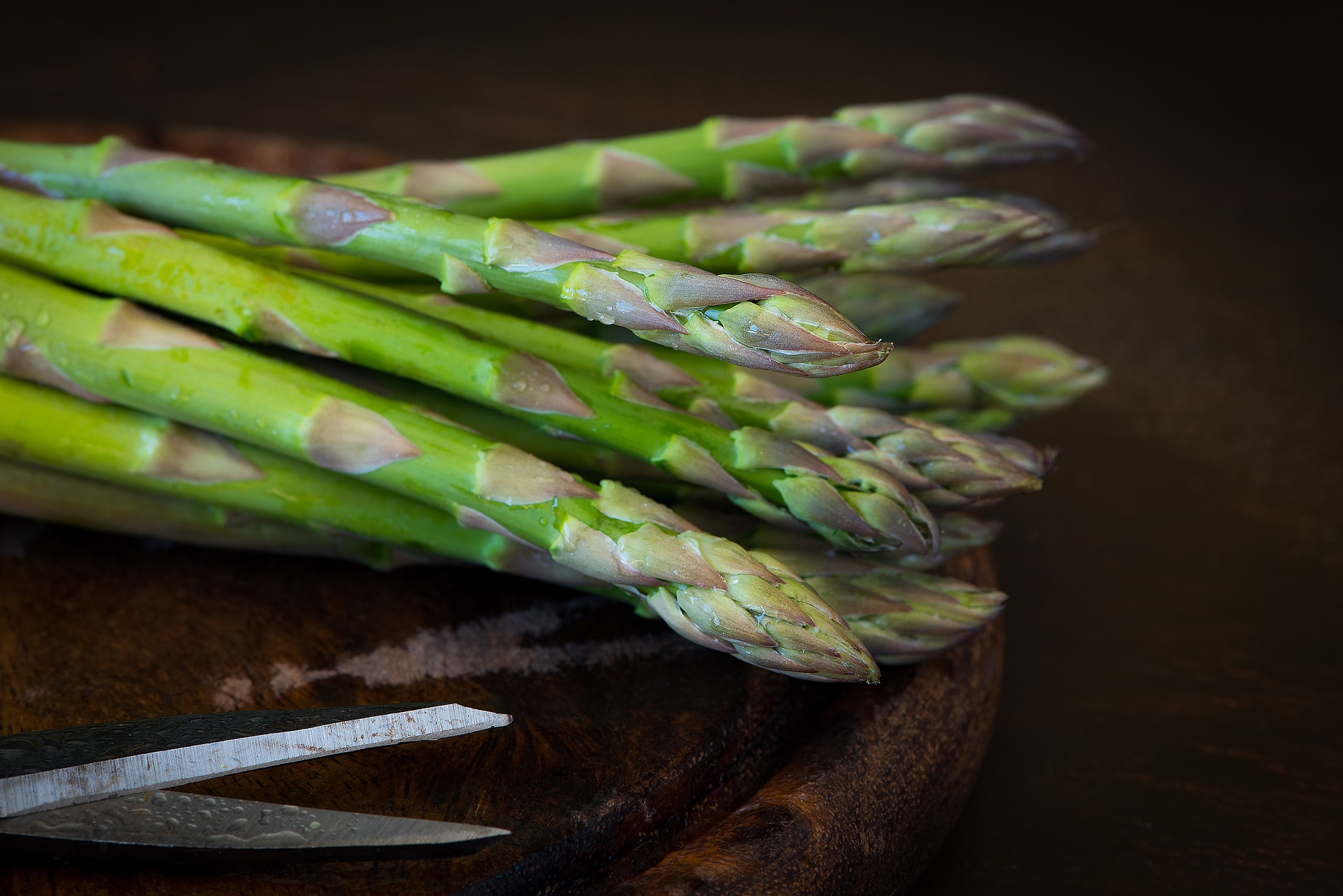
Asparagus, officially known as Asparagus officinalis, is a member of the lily family. This popular spring vegetable comes in a variety of colors, including green, white and purple, and it is used in dishes around the world, including frittatas, pastas, and stir-fries.
Asparagus is also low in calories and packed with essential vitamins, minerals, and antioxidants. These nutrients are good for your cells, heart, and digestive system.
Reasons to Eat Asparagus
1. Nutrient Dense
Asparagus is low in calories but boasts an impressive nutrient profile. In fact one half-cup (90 grams) of cooked asparagus contains:
- Calories: 20
- Protein: 2.2 grams
- Fat: 0.2 grams
- Fiber: 1.8 grams
- Vitamin C: 12% of the RDI
- Vitamin A: 18% of the RDI
- Vitamin K: 57% of the RDI
- Folate: 34% of the RDI
- Potassium: 6% of the RDI
- Phosphorous: 5% of the RDI
- Vitamin E: 7% of the RDI
Asparagus also contains small amounts of iron, zinc, and riboflavin.
2. Packed with Antioxidants
Asparagus is packed with antioxidants, including vitamin E, vitamin C and glutathione, as well as various flavonoids and polyphenols. Antioxidants prevent the accumulation of harmful free radicals and may reduce your risk of chronic diseases like cancer and cardiovascular disease.
3. Improves Gut Health
Asparagus contains both insoluble and soluble fiber. The insoluble fiber adds bulk to stool and promotes regularity. The soluble fiber (inulin) forms a gel-like substance in the digestive tract and feeds the friendly bacteria. Increasing the number of these beneficial bacteria plays a role in strengthening the immune system and producing essential nutrients like vitamins B12 and K2.
4. Helps with Weight Loss
Asparagus is about 94% water. It is also low in calories and rich in fiber. Research suggests that consuming low-calorie, water-rich foods is associated with weight loss. Dietary fiber has also been linked to lower body weight and weight loss.
5. Lowers Blood Pressure
Because it’s a good source of potassium, asparagus may help counteract the effects of sodium in your diet to promote healthy blood pressure. A cup of cooked asparagus contains 400 mg of potassium.
6. Boosts Immune System
The vitamin E in asparagus strengthens your immune system and protects your cells from the harmful effects of free radicals. Since it is a fat-soluble vitamin, it is best to consume it with a healthy fat, like olive oil.
7. Fights Cancer
Asparagus is a rich source of glutathione, which is a detoxifying compound that helps break down carcinogens and other harmful compounds like free radicals. This is why asparagus may help in the fight against various forms of cancer.
8. Boosts Mood
Asparagus is replete with folate, a B vitamin that can lift your spirits and ward off irritability. Researchers have found a link between low levels of both folate and vitamin B12 in people who are suffering from depression. Asparagus also contains tryptophan, an amino acid which has been similarly linked to improved mood.
Ways to Enjoy Asparagus
- Eggs: Add sliced asparagus to your omelet or frittata for a healthy breakfast or brunch.
- Sautéed: Slice asparagus and sauté them with seasonings of your choice in extra virgin olive oil for a delicious side dish.
- Roasted: Toss asparagus spears with olive oil to lightly coat and oven-roast till browned and tender for a side dish full of depth and flavor.
- Pasta salads: Stir sautéed asparagus into a pasta salad.
- Soups and stews: Add sliced asparagus to your favorite soup or stew at the end and simmer for just a few minutes until tender.
 The Mediterranean Diet Unplugged