
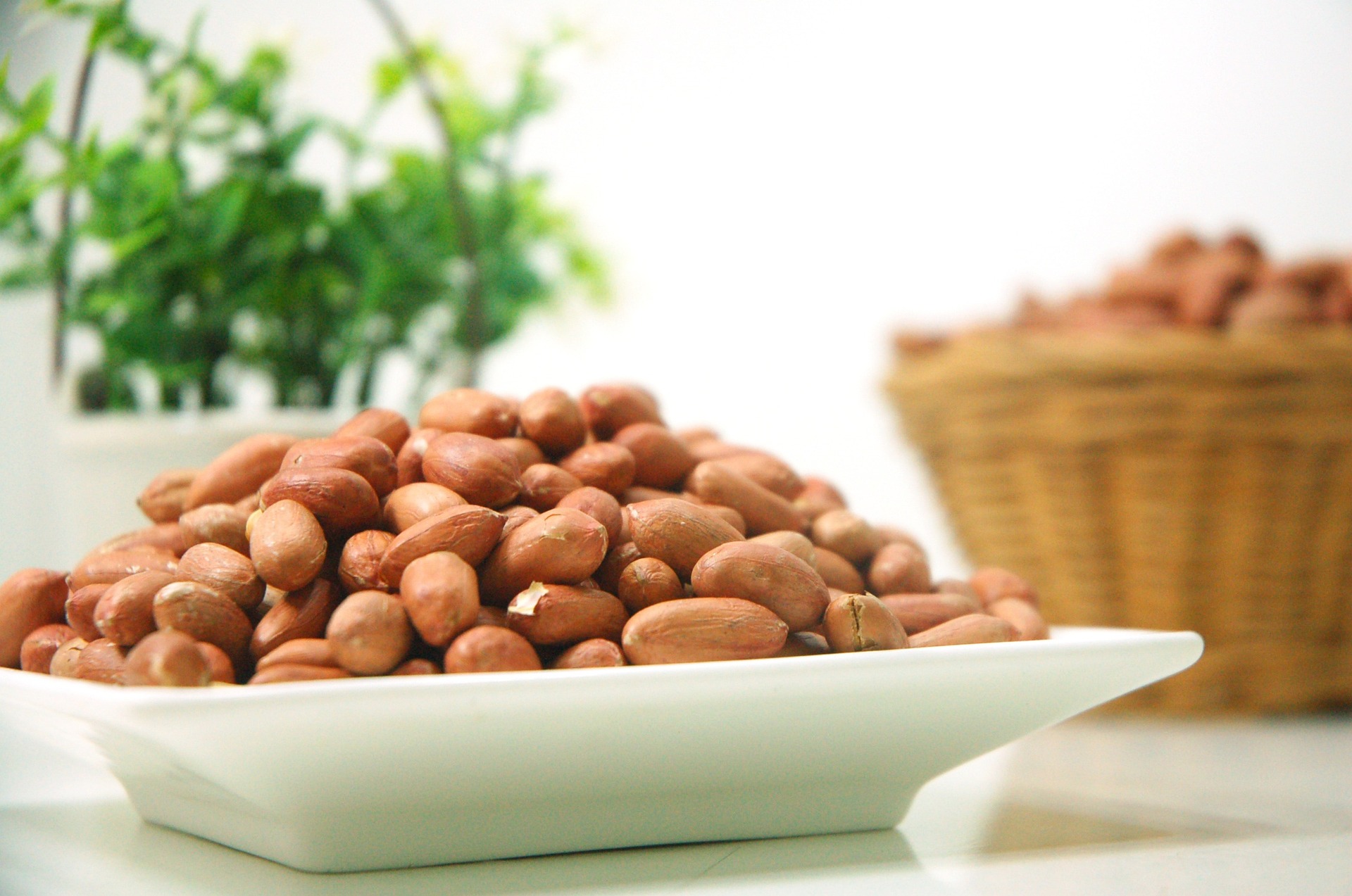
Peanuts are a legume that originated in South America. They go by a variety of names such as groundnuts, earthnuts and goobers. Despite their name, peanuts are unrelated to tree nuts. As a legume, they are related to beans, lentils and soy.
In the United States, peanuts are rarely eaten raw. Instead, they are most often consumed roasted or as peanut butter.
Peanuts are a convenient source of protein and come with added nutrients, such as antioxidants, fiber, iron, magnesium and potassium.
It is best to consume peanuts with their skins intact, because they contain anti-inflammatory plant compounds called polyphenols. Other healthy options include dry roasted peanuts without added sugars, and peanut butter without hydrogenated oils.
A 1-ounce or 28-gram serving contains the following nutrients:
- Calories: 160
- Carbohydrates: 5 grams
- Fiber: 2 grams
- Protein: 7 grams
- Fat: 14 grams
- Potassium: 200 milligrams
- Magnesium: 48 milligrams
- Iron: 1.3 milligrams
Reasons to Eat Peanuts
1. Packed with Antioxidants
Peanuts contain various antioxidants. Most of the antioxidants are located in the skin. Resveratrol is one of these antioxidants. Resveratrol is also found in the kernel, but in smaller amounts. It is a powerful antioxidant that may reduce your risk of cancer and heart disease. It is also notably found in red wine and grape skins and seeds.
2. Aid in Weight Loss
Peanuts are rich in both fiber and protein. In fact, peanuts have more protein than any nut at 7 grams per ounce (28 grams). The fiber and protein promote feelings of satiety, which helps you eat less.
3. Lower Blood Pressure
Peanuts contain L-arginine. This amino acid (a building block of protein) relaxes constricted blood vessels, which improves blood flow and lowers blood pressure. The potassium and magnesium in peanuts also help lower blood pressure levels.
4. Lower Cholesterol
The majority of fats in peanuts are heart-healthy monounsaturated and polyunsaturated fats, which help lower LDL (bad) cholesterol and triglycerides. Both bad cholesterol and triglycerides lead to clogged arteries.
Peanuts also contain phytosterols. Phytosterols, also known as plant sterols and plant stanols, have powerful anti-inflammatory and cholesterol-lowering properties.
5. Balance Blood Sugar
Peanuts have a glycemic index of just 13, which is low. They also have a glycemic load of 1, which is also low. This means that peanuts do not cause large blood sugar spikes.
Ways to Enjoy Peanuts
- Mix them into meals: Peanuts and peanut butter can boost the flavor and texture of a variety of dishes.
- Make smart swaps: Instead of having a sandwich with processed meat, spread peanut butter onto whole wheat bread.
- Snacks: Pair peanuts with your favorite fruit for a delicious snack or eat them alone.
- Roast them yourself: Roast peanuts with their skins for more antioxidants.
- Salads: Add peanuts to salads for crunch and flavor.
- Stir-fries: Add peanuts to stir-fries for added crunch and flavor.
- Pilafs: Add peanuts to any whole grain pilaf.
- Oatmeal Topping: Top oatmeal or any other cereal with peanuts.
- Smoothies: Add peanuts or peanut butter to smoothies to add some creaminess and boost satiety levels.
 The Mediterranean Diet Unplugged